
Food Delivery Robots for Restaurants and Hospitality Operations
Reliable Robots helps restaurants, hotels, and hospitality venues automate food delivery and service logistics using autonomous robots designed to transport meals, drinks, dishes, and supplies across busy environments. These robots reduce staff walking, improve service consistency, and create a modern guest experience.
What Food Delivery Robots Do
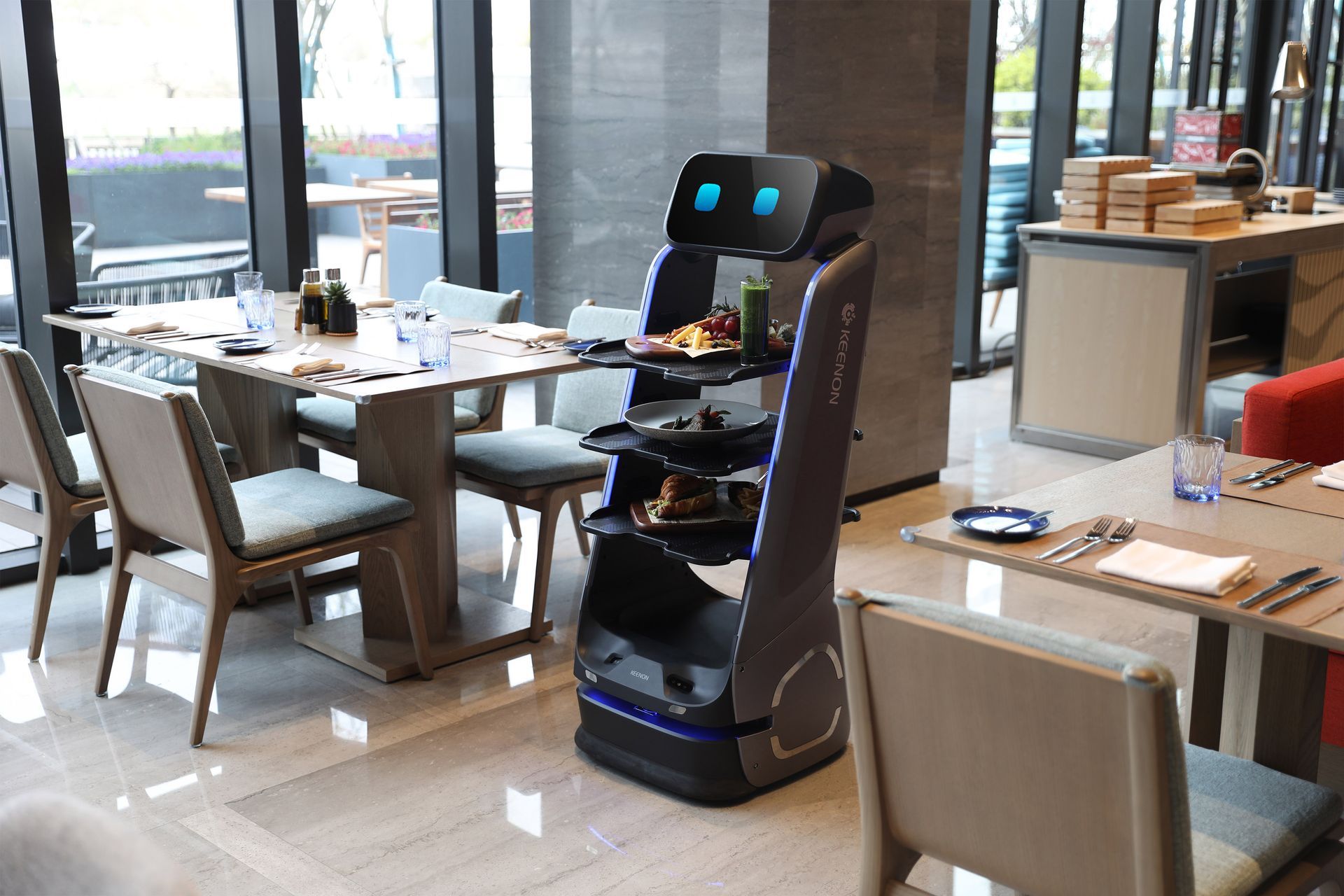
Food delivery robots automate the movement of meals, drinks, and dishes between kitchens, service stations, and guest areas. Instead of servers repeatedly walking between the kitchen and dining room, robots handle routine transport tasks so staff can focus on guest experience and hospitality.
Typical capabilities include:
- Delivering meals from kitchen to tables
- Transporting drinks and dishes between service stations
- Assisting with bussing and table resets
- Supporting peak service periods
- Navigating safely around guests and staff
- Multi-stop delivery routes across dining rooms
By automating repetitive walking tasks, restaurants can stabilize service flow while improving operational efficiency.
Food Delivery Applications
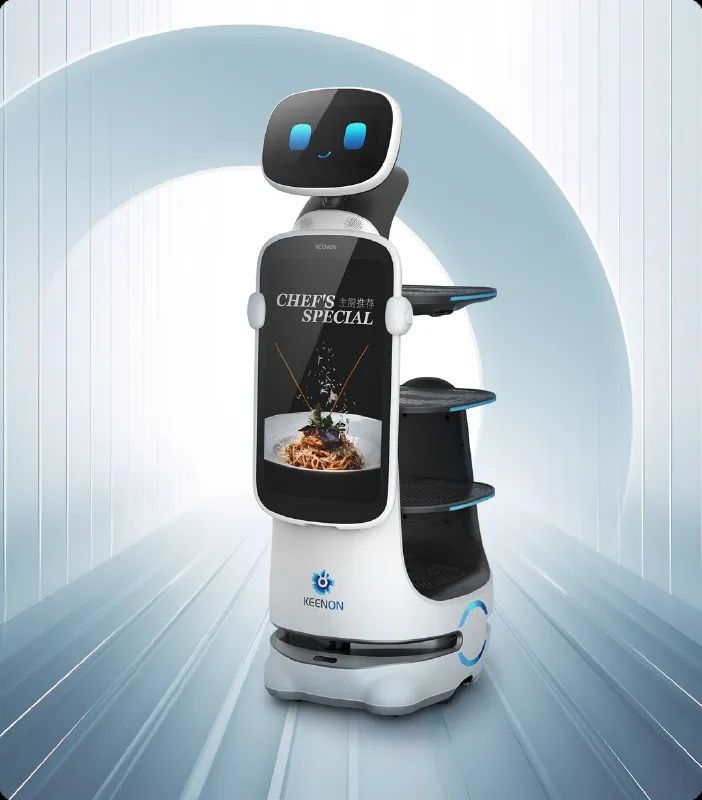
Restaurant Service Robots
Restaurants experience constant movement between kitchens and dining areas during service.
Food delivery robots help transport plates, drinks, and dishes so servers can focus on guest interaction rather than repetitive walking.
Applications:
- Food delivery to dining tables
- Drink delivery from bar stations
- Dish return to kitchen
- Support during peak dining hours
Hotel Service Robots
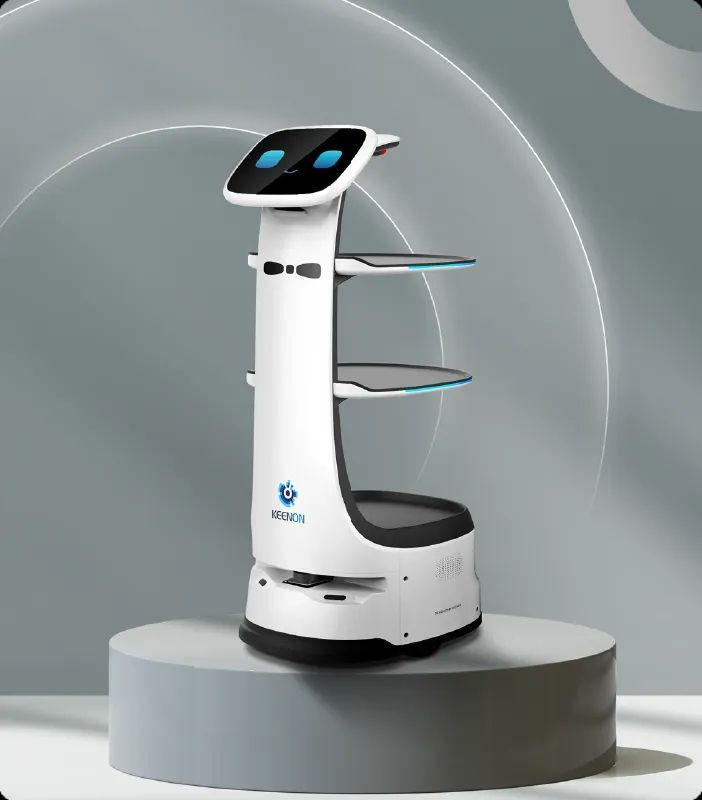
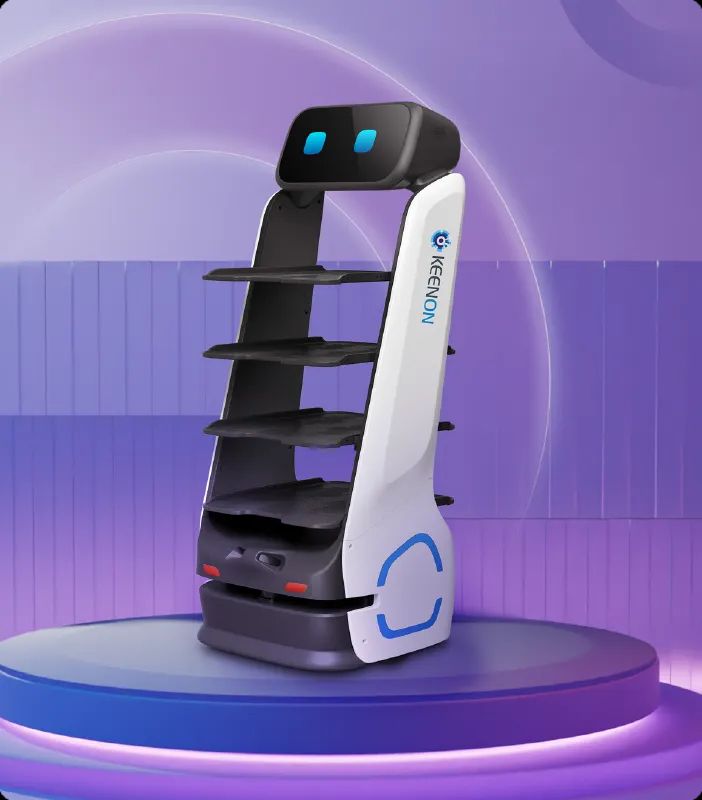
Hotels often require frequent deliveries between service areas and guest rooms.
Autonomous delivery robots can transport room service orders, amenities, and supplies directly to guest rooms.
Applications:
- Room service delivery
- Guest amenities delivery
- Late-night food delivery
- Hotel service logistics
Cafeteria and Campus Food Delivery
Large cafeterias in corporate offices, universities, and hospitals require frequent transport of meals between kitchens and service stations.
Delivery robots help streamline these internal service workflows.
Applications:
- Cafeteria meal transport
- Tray return to kitchen
- Food station supply delivery
Healthcare Meal Delivery Robots
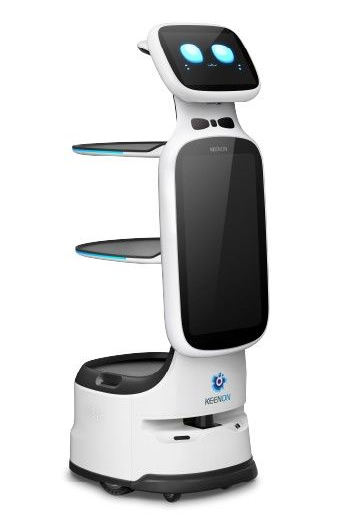
Hospitals and healthcare facilities require safe and efficient delivery of meals and supplies between kitchens and patient areas.
Robotic delivery systems help maintain predictable delivery schedules while reducing manual transport.
Applications:
- Patient meal delivery
- Internal food transport
- Supply movement within healthcare facilities
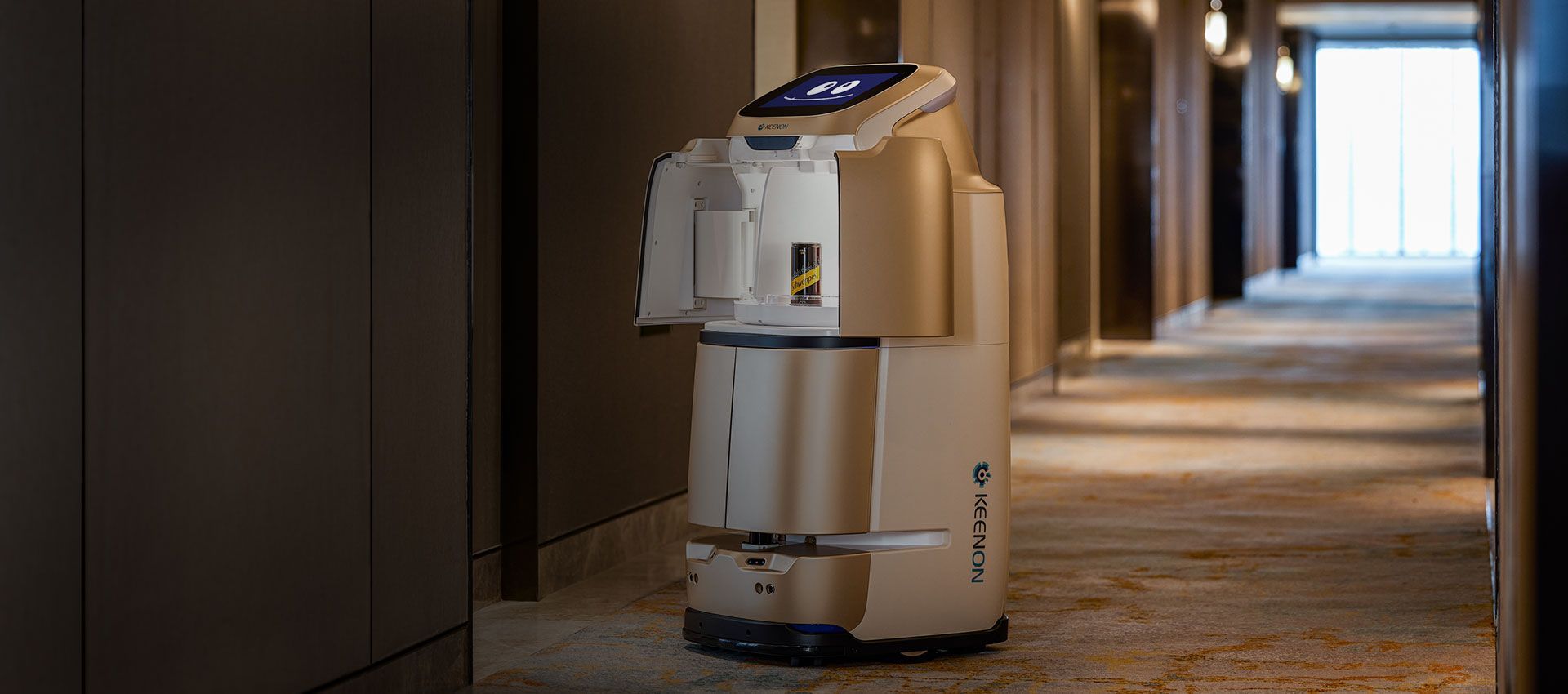
Understanding the Technology
Food delivery robots use advanced navigation technology to safely move through busy environments such as restaurants, hotels, and cafeterias.
These systems typically use:
- LiDAR sensors for mapping and navigation
- Obstacle detection for safe movement around people
- Simultaneous localization and mapping (SLAM) to build facility maps
- Autonomous route planning between service points
These technologies allow robots to operate safely in dynamic environments while navigating around guests, tables, and staff.
Facility Integration
Food delivery robots can integrate with facility systems to operate seamlessly within hospitality environments.
Examples of integrations include:
- Elevator systems for multi-floor delivery
- Access-controlled guest floors
- Point-of-service stations
- Kitchen workflow systems
For example, hotel delivery robots can integrate with elevators and access systems to transport room service orders across multiple floors securely.
This allows robots to operate as part of the broader service workflow rather than as standalone machines.
Industries Using Food Delivery Robots
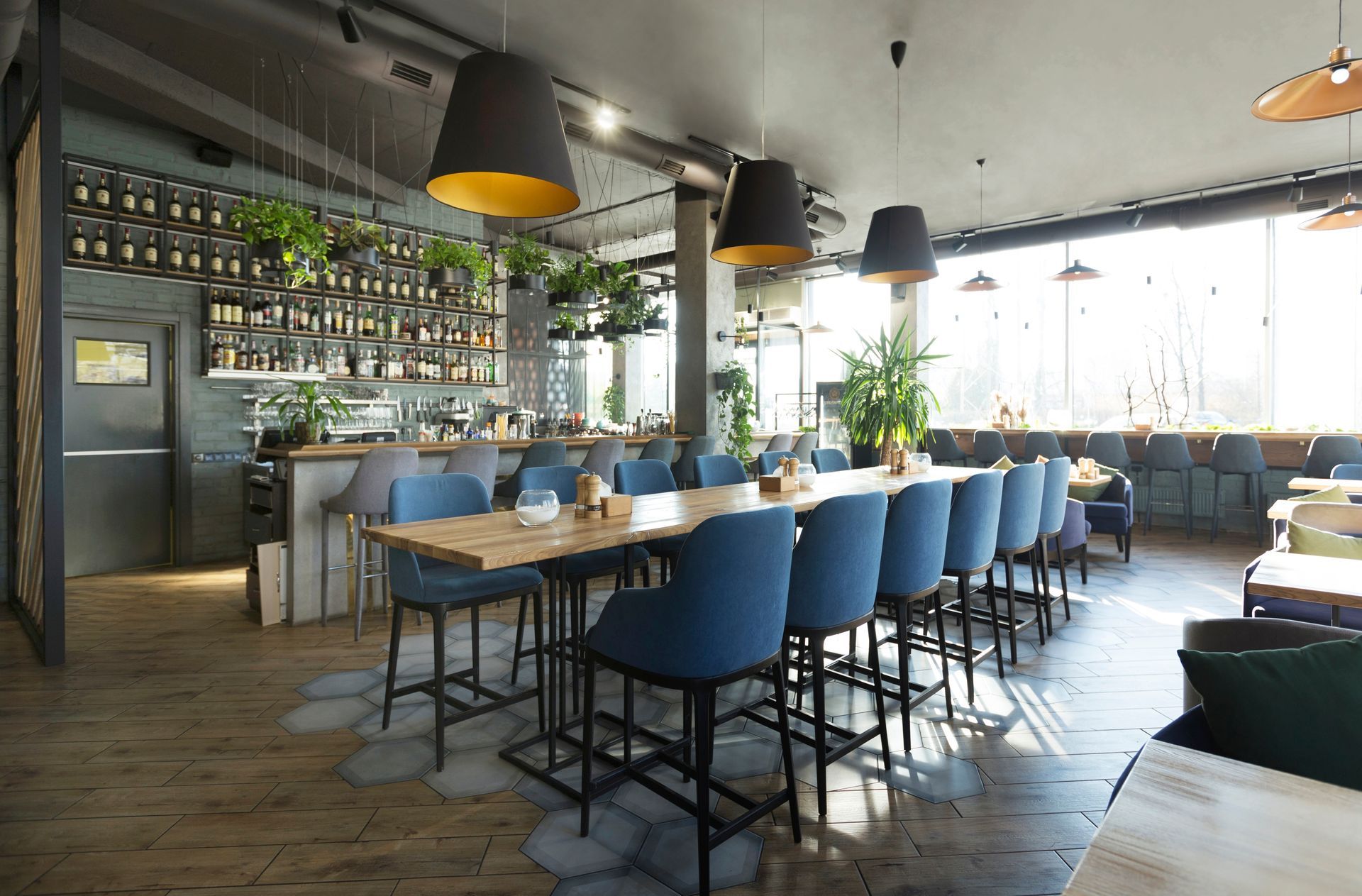
Restaurants
Restaurants use delivery robots to transport plates and drinks between kitchens and dining rooms while reducing staff walking distance.
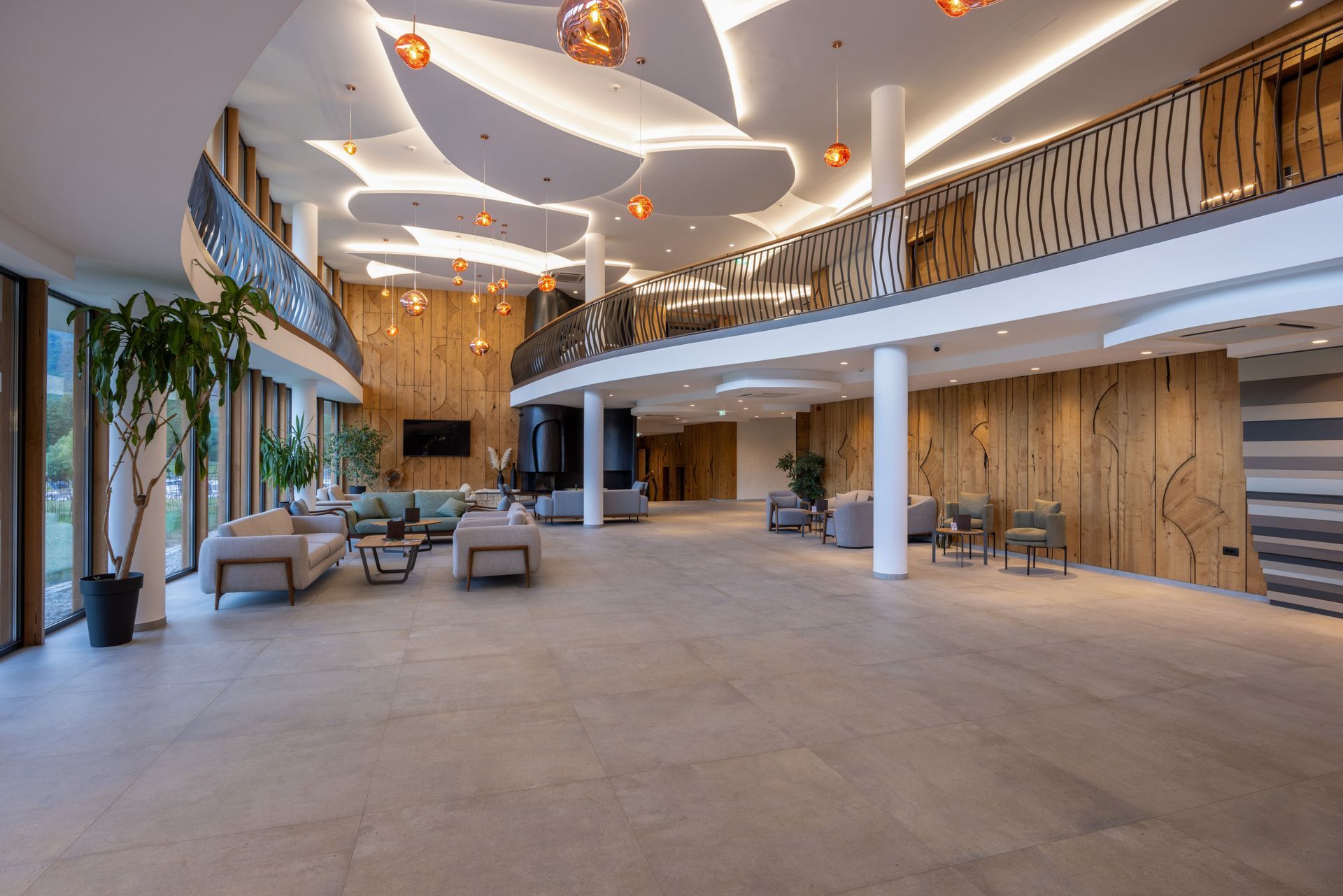
Hotels
Hotels deploy delivery robots for room service, amenities delivery, and internal logistics.
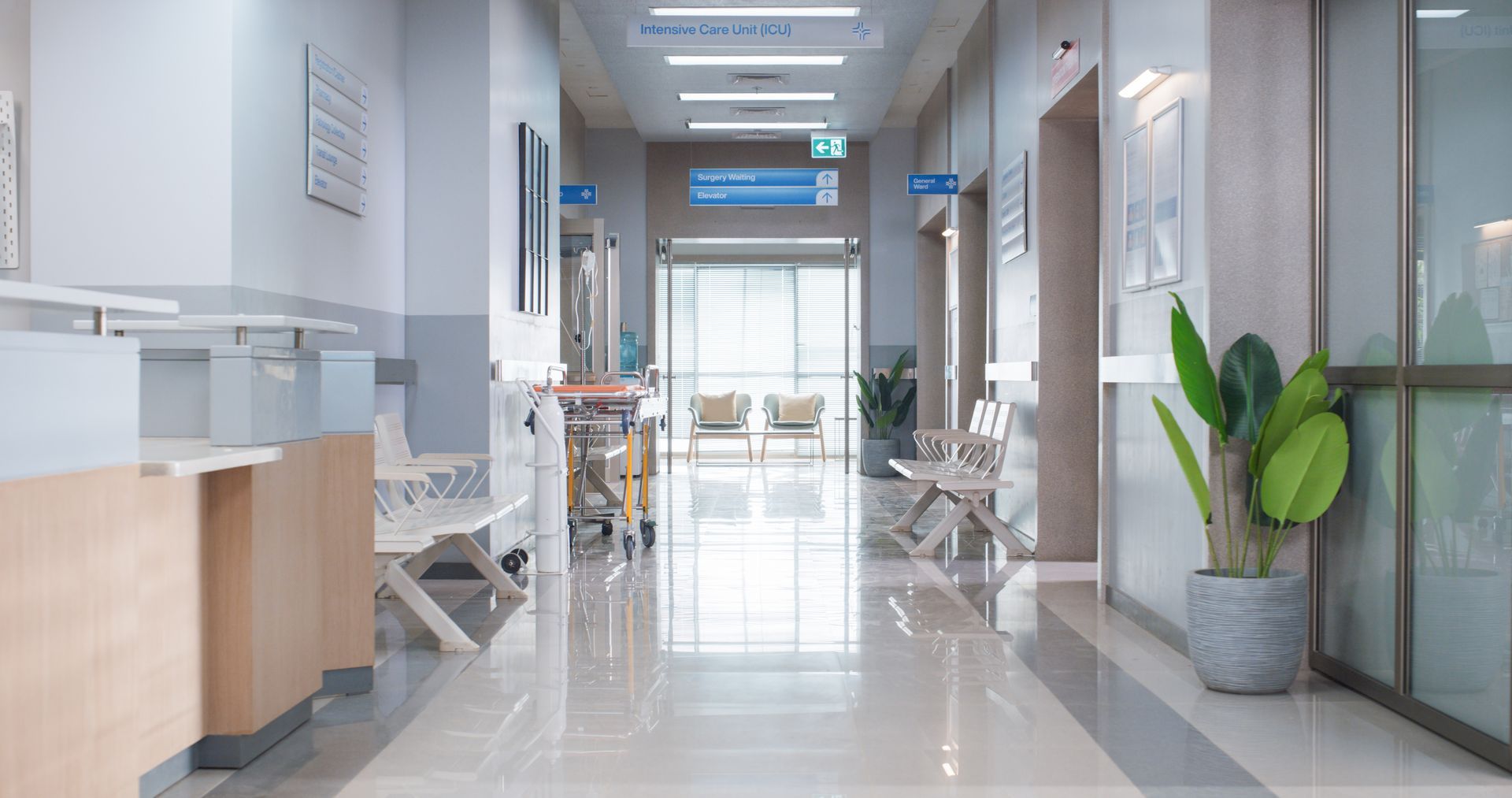
Healthcare
Hospitals use delivery robots to transport meals and supplies across large healthcare facilities.
Corporate Campuses
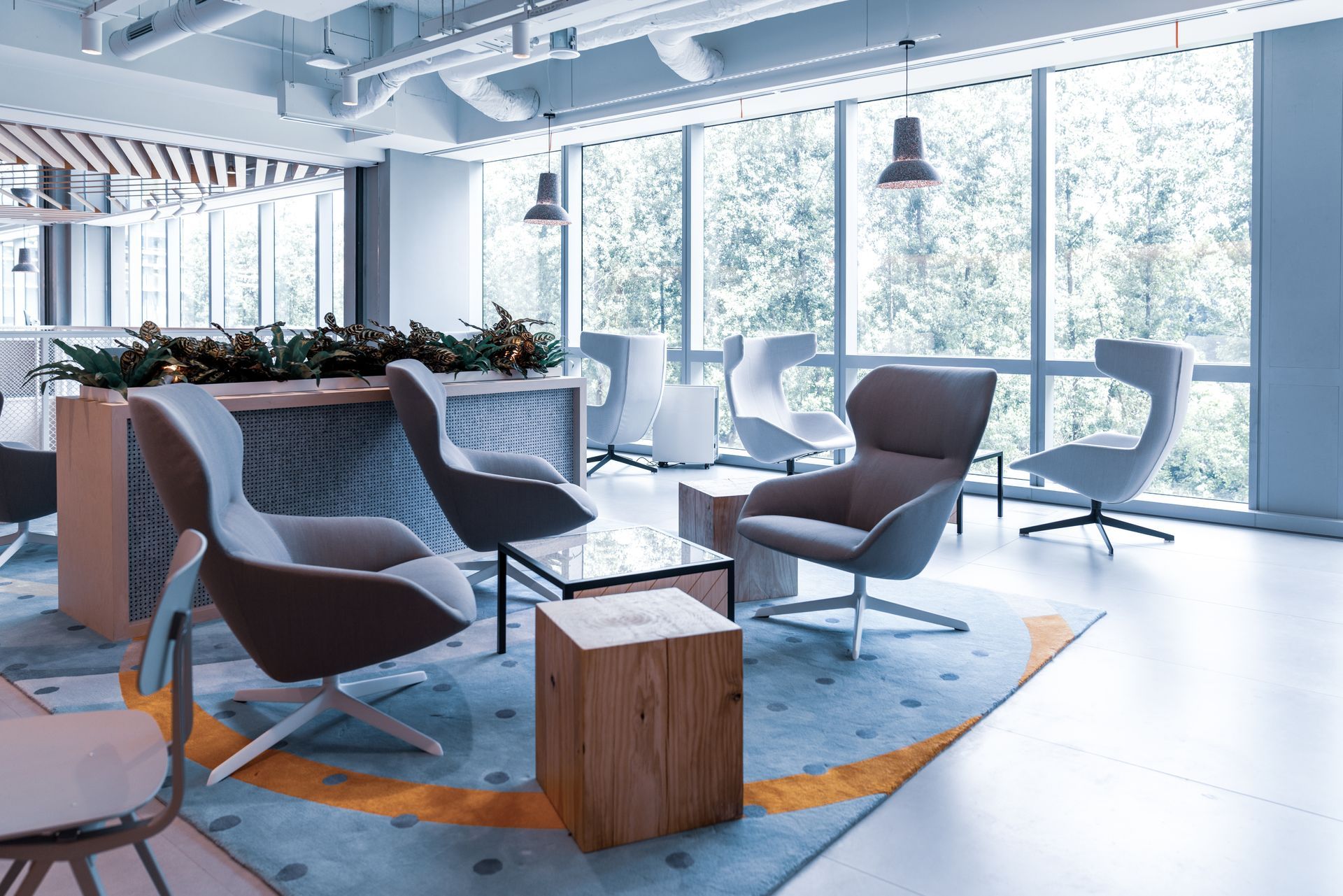
Corporate cafeterias and campus dining facilities use robots to transport meals and supplies across large spaces.
Entertainment Venues
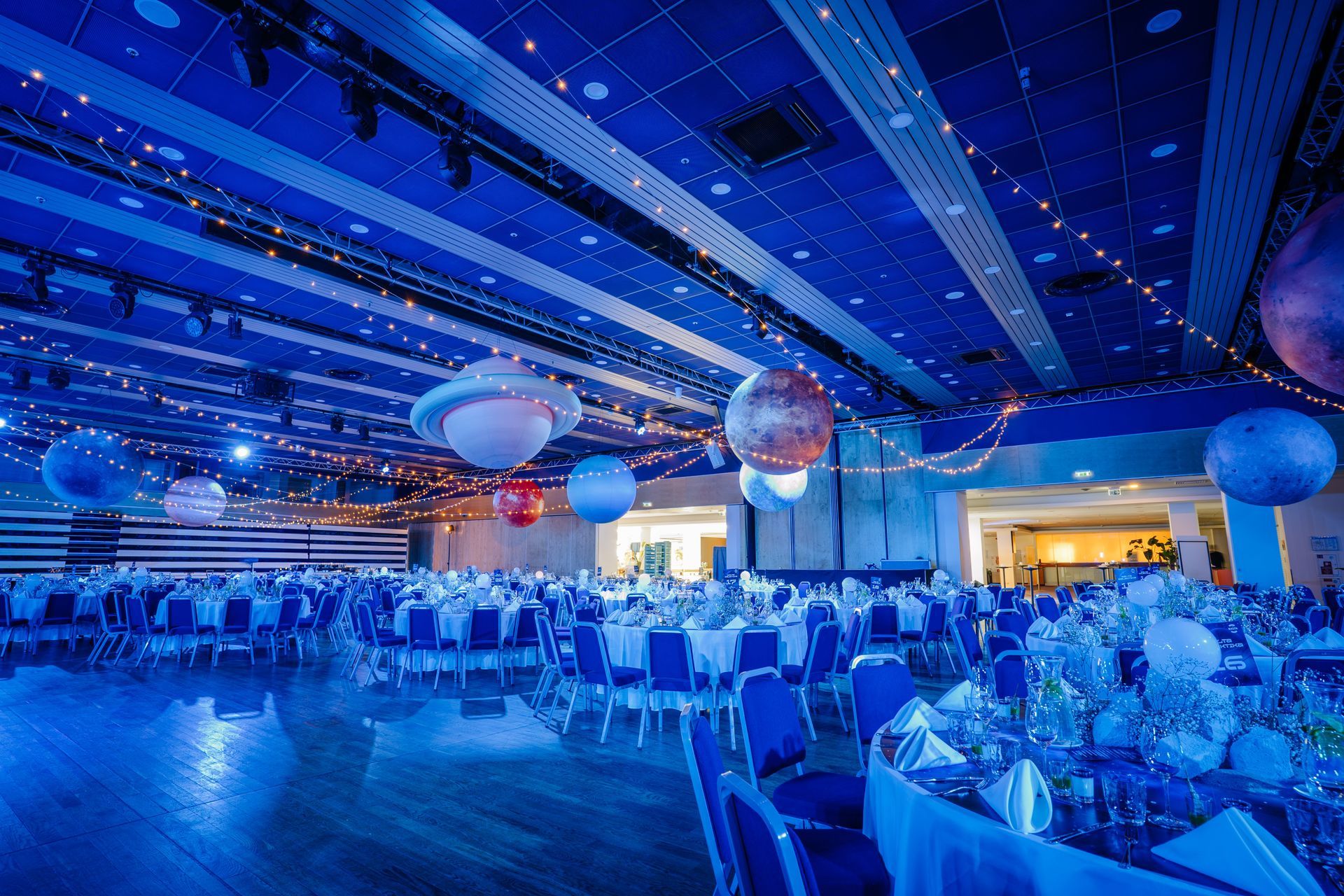
Event venues, casinos, and stadium hospitality areas use robots to assist with food and beverage delivery.
Food & Room Delivery Robots
Restaurant Service Robots
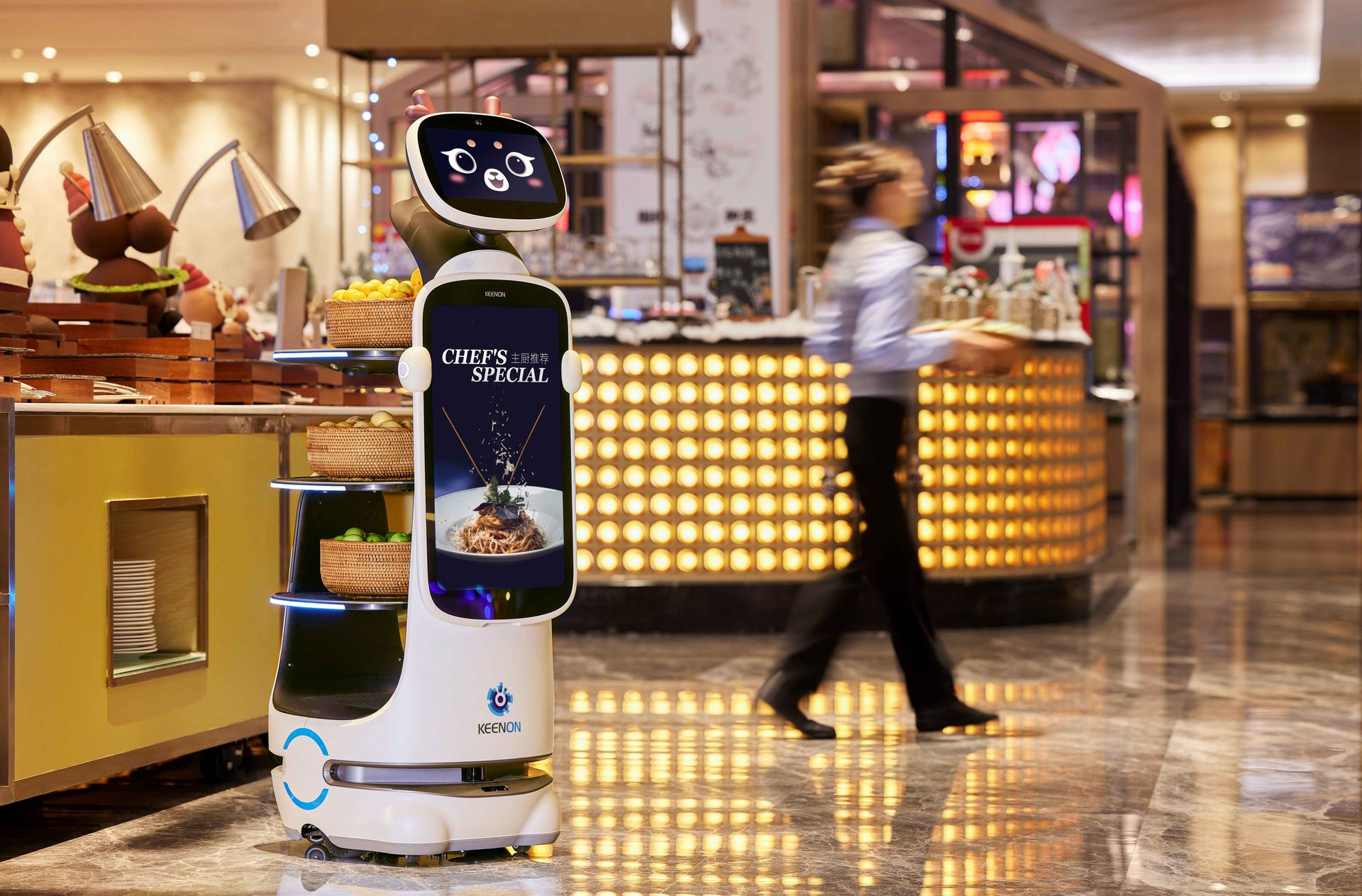
Autonomous restaurant delivery robot designed to transport food and drinks between kitchens and dining areas.
Hospitality Delivery Robots
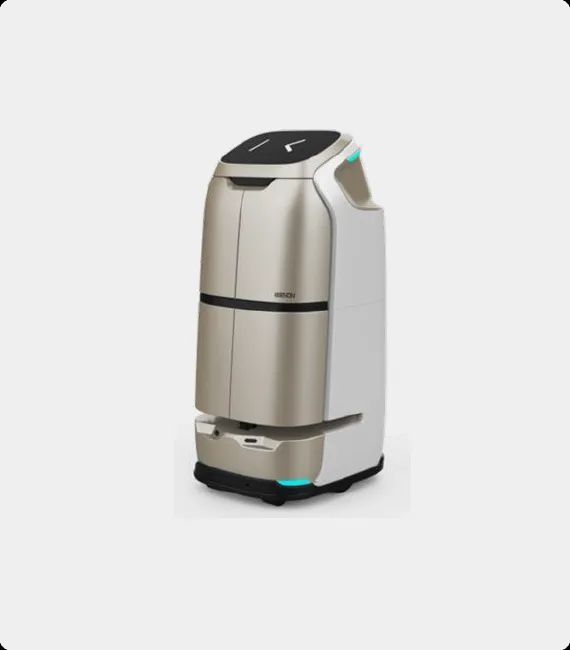
Autonomous service robot designed for secure item and food delivery across hotels, offices, and commercial environments.
How Deployment Works
- Consultation: Evaluate restaurant or facility layout and service workflows.
- Facility Mapping: Robots map the environment to navigate safely between kitchen and service areas.
- Workflow Configuration: Delivery routes and service points are configured based on operational needs.
- Deployment and Training: Robots are deployed and staff are trained on daily operation.
- Ongoing Support: Reliable Robots provides ongoing technical support and optimization.
Benefits of Food Delivery Automation
Organizations implementing robotic food delivery often experience several benefits:
- Reduced server walking distance
- Improved service consistency
- Support during peak service periods
- Improved staff productivity
- Modern and memorable guest experience
Robotic service assistants allow hospitality teams to focus on guest interaction while automation handles repetitive transport tasks.
Explore Food Delivery Automation for Your Operation
Reliable Robots can help evaluate how autonomous food delivery robots can improve service flow in your restaurant, hotel, or hospitality venue. Our team can review your layout and recommend the right robotic solution for your environment.
Contact us:
info@reliablerobots.ca