
Material Delivery Robots for Modern Operations
Reliable Robots helps businesses automate internal logistics using autonomous robots designed to move materials, equipment, and products safely and efficiently across warehouses, factories, and commercial facilities. These robots support production flow, reduce manual transport tasks, and help teams focus on higher-value work.
What Material Delivery Robots Do
Material Delivery robots automate the transport of materials across facilities. Instead of employees walking parts across buildings or relying on forklifts for small deliveries, robots move goods safely and consistently between workstations.
Typical capabilities include:
- Transporting components between workstations
- Delivering parts to production lines
- Moving inventory across warehouses
- Transporting tools and equipment
- Scheduled delivery routes
- Fleet coordination across large facilities
Autonomous material transport helps organizations maintain predictable workflows while reducing manual transport tasks and operator fatigue.
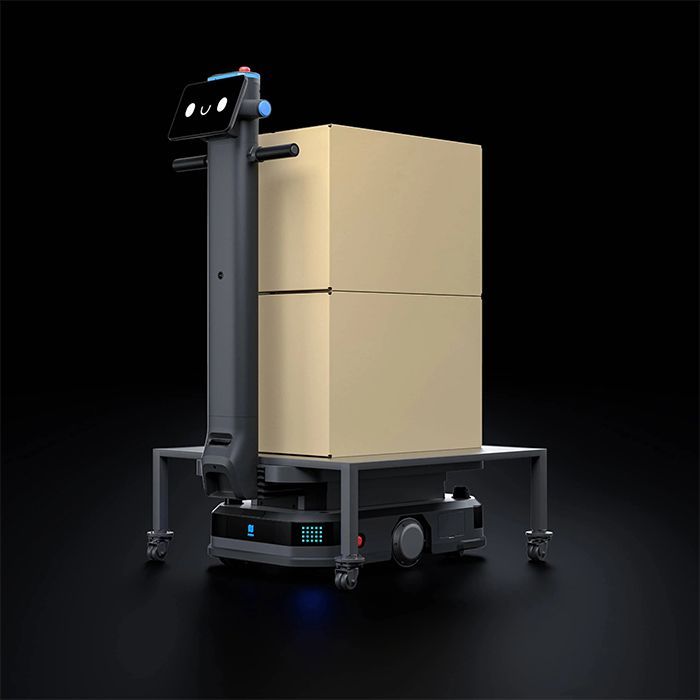
Understanding the Technology: AGVs and AMRs
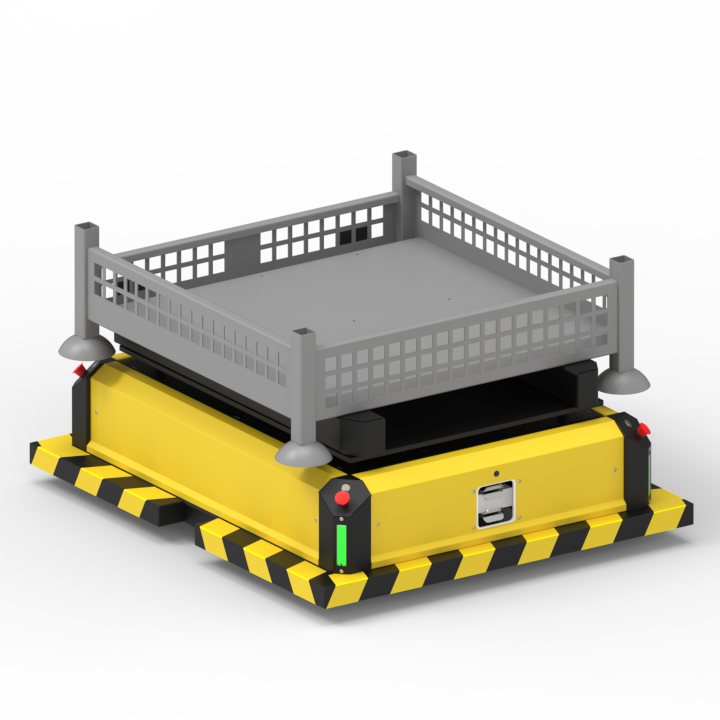
AGV (Automated Guided Vehicles)
AGVs follow predefined routes using guidance systems such as magnetic tape, floor markers, or embedded navigation paths. These systems are often used in structured environments where robots follow fixed routes between stations.
AGVs are commonly used in manufacturing and logistics environments where repeatable transport paths are required.
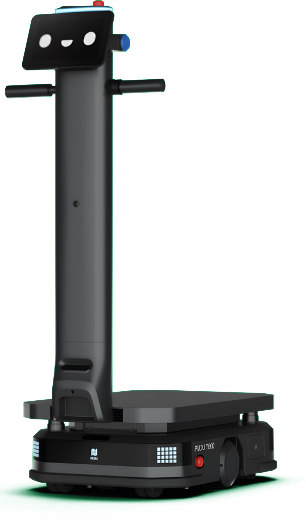
AMR (Autonomous Mobile Robots)
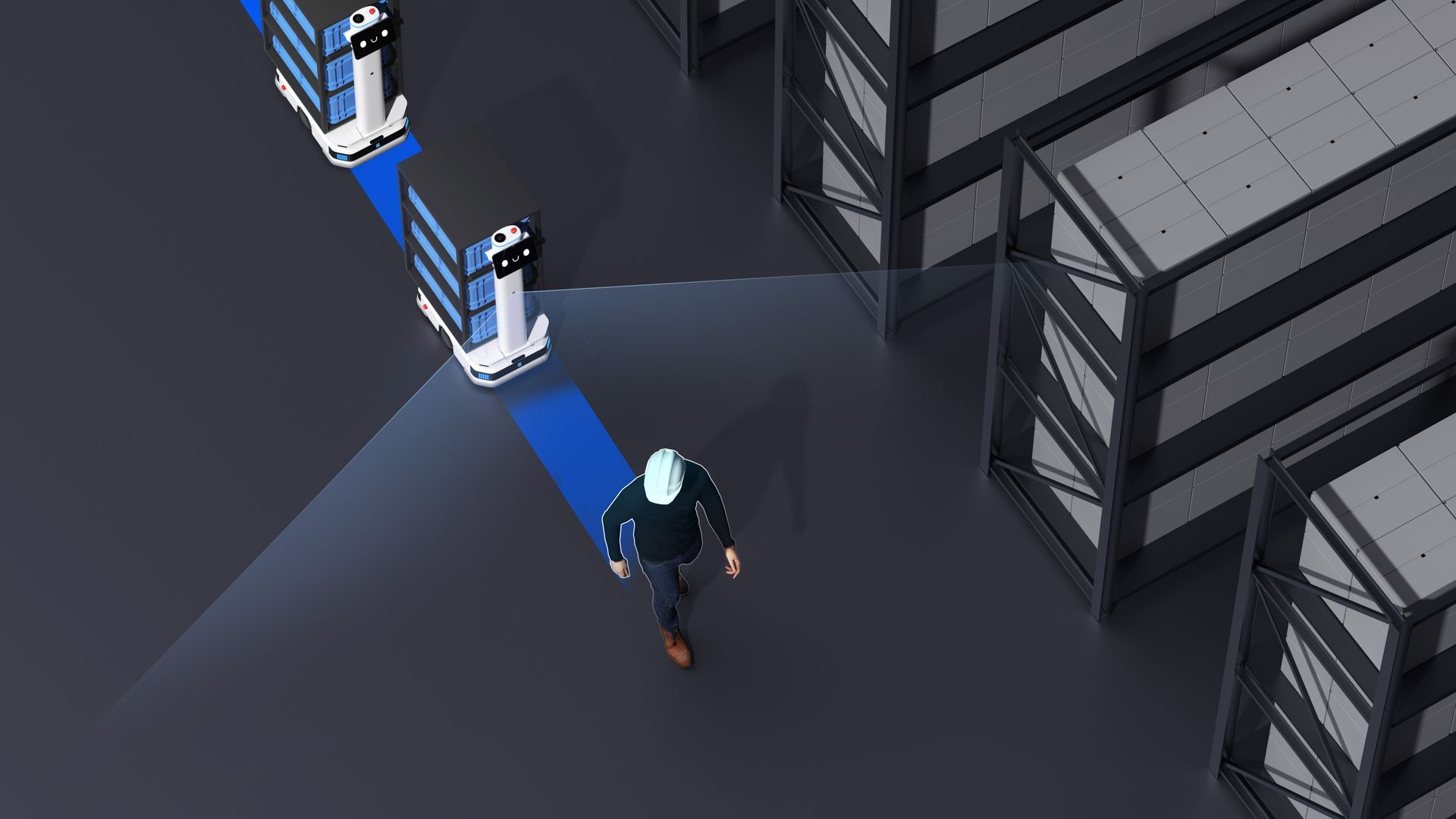
AMRs use sensors, cameras, and mapping technology to navigate dynamically through environments. Instead of following fixed paths, they can move around obstacles and adjust routes in real time.
AMRs are ideal for facilities where workflows change frequently or where robots must navigate around people, equipment, and dynamic environments.
Both AGVs and AMRs can be deployed individually or as part of a coordinated robot fleet depending on the operational requirements of the facility.
Material Delivery Applications
Manufacturing Material Delivery Robots
Manufacturing environments require continuous movement of raw materials, components, and finished goods across production areas.
Material delivery robots help maintain production flow by delivering parts directly to workstations and transporting finished products to staging areas.
Applications:
- Line-side component delivery
- Kitting and replenishment
- Raw material transport
- Finished goods movement
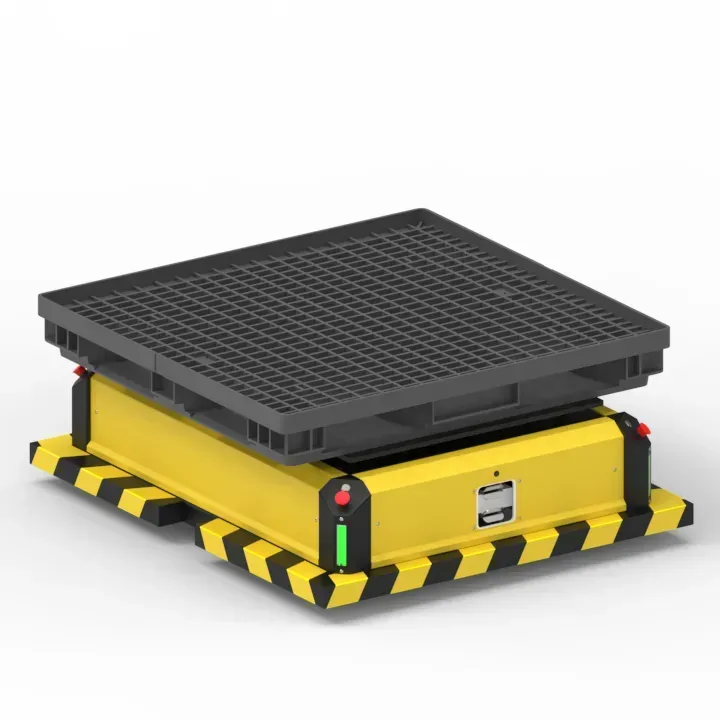
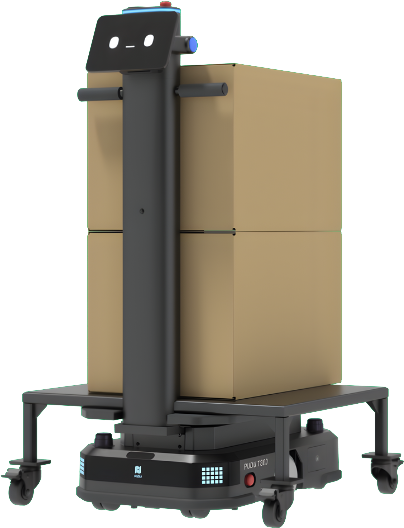
Warehouse Logistics Robots
Warehouses and distribution centers require constant movement of inventory between storage areas, packing stations, and shipping zones.
Autonomous robots help automate internal logistics while improving efficiency and reducing manual transport tasks.
Applications:
- Inventory transport
- Picking support
- Order staging
- Internal logistics
Automotive Dealership Robots
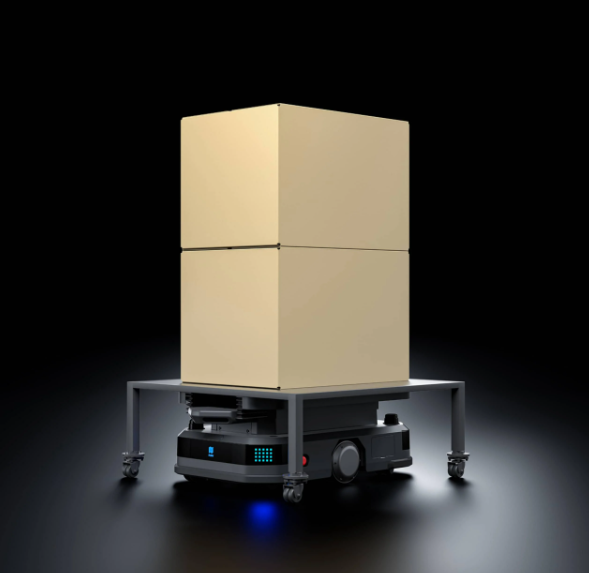
Service departments often lose valuable time moving parts, tires, and tools between storage areas and service bays.
Material Delivery robots help move components between the parts department and service bays to keep technicians focused on repairs.
Applications:
- Parts delivery to service bays
- Tire and component transport
- Service department logistics
Facility Transport Robots
Large facilities such as hospitals, campuses, and factories require frequent movement of equipment, supplies, or materials between departments.
Autonomous robots help streamline these internal transport tasks while reducing manual handling requirements.
Applications:
- Equipment transport
- Internal supply movement
- Facility logistics
Facility Integration
Material delivery robots are designed to integrate with existing facility systems to operate safely and efficiently within real-world environments.
Robots can connect with facility infrastructure such as:
- Automatic doors
- Elevators
- Production systems
- Warehouse management systems (WMS)
- Manufacturing execution systems (MES)
Robots can also operate in environments with access-controlled areas, allowing them to move between restricted zones or production areas while maintaining security protocols. Integration allows robots to operate as part of the broader operational workflow rather than as standalone machines.
Industries Using Material Delivery Robots
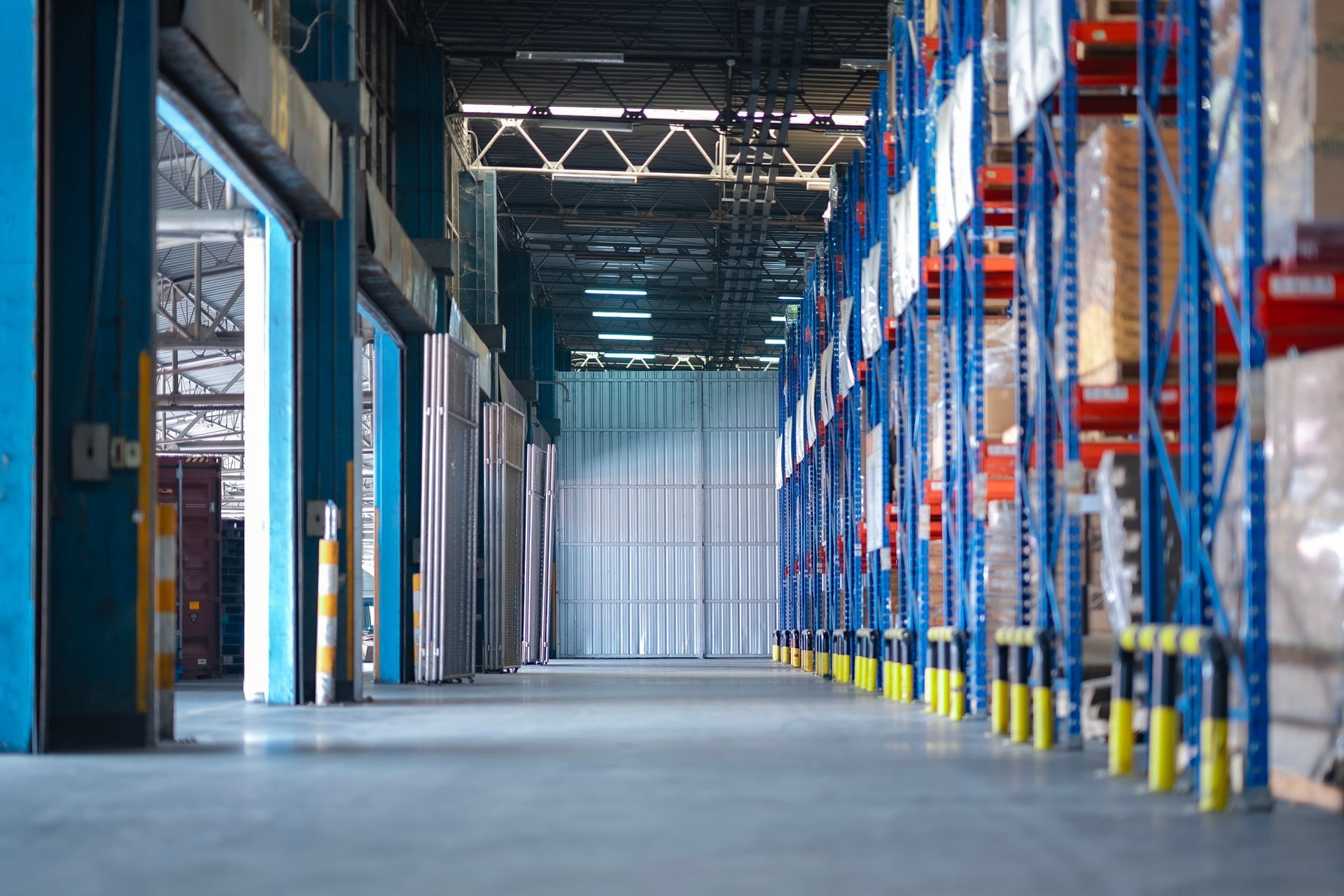
Manufacturing
Manufacturers use robots to move components, tools, and finished products across production floors.
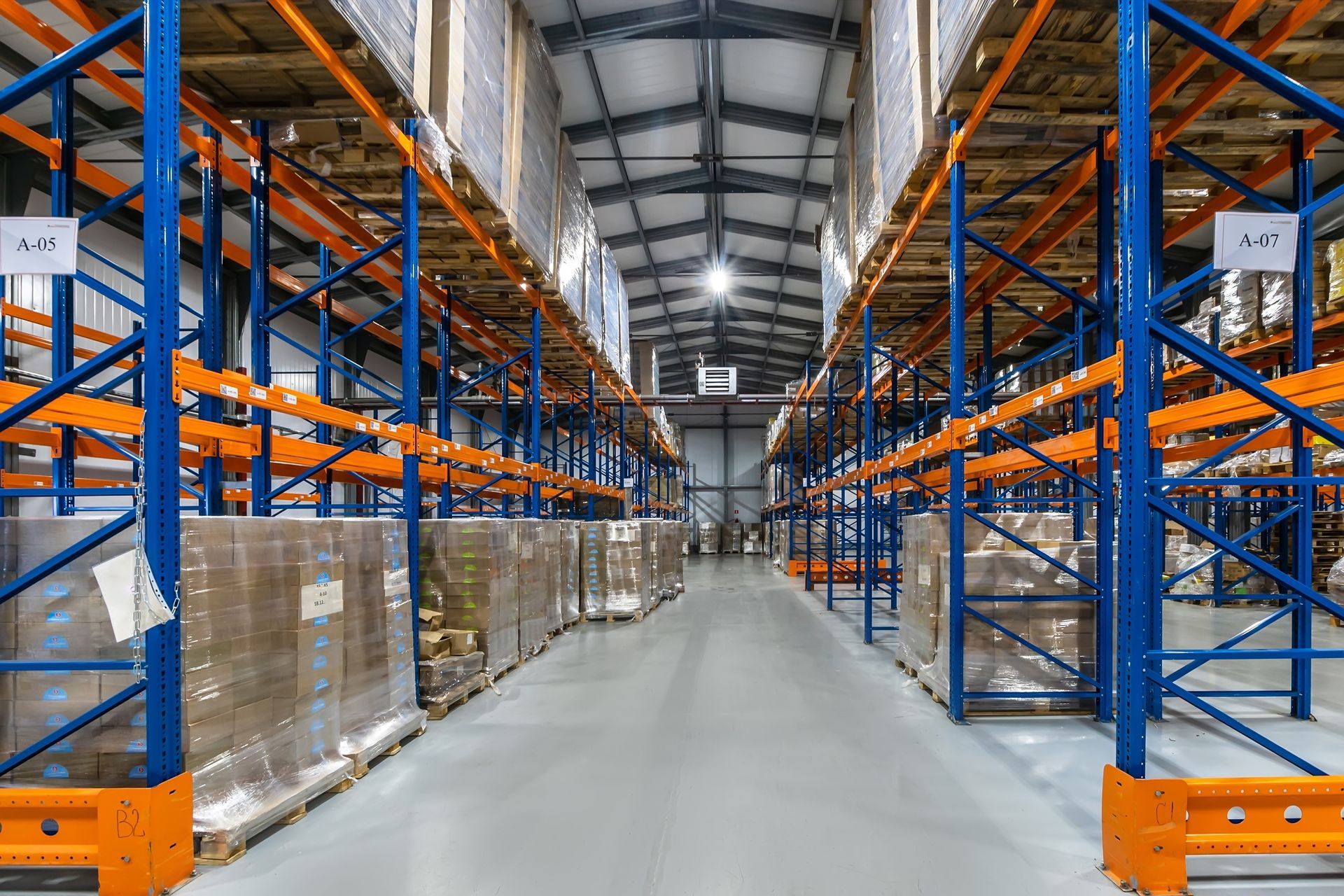
Warehouse Logistics
Distribution centers use autonomous robots to move inventory between storage, picking, and shipping areas.
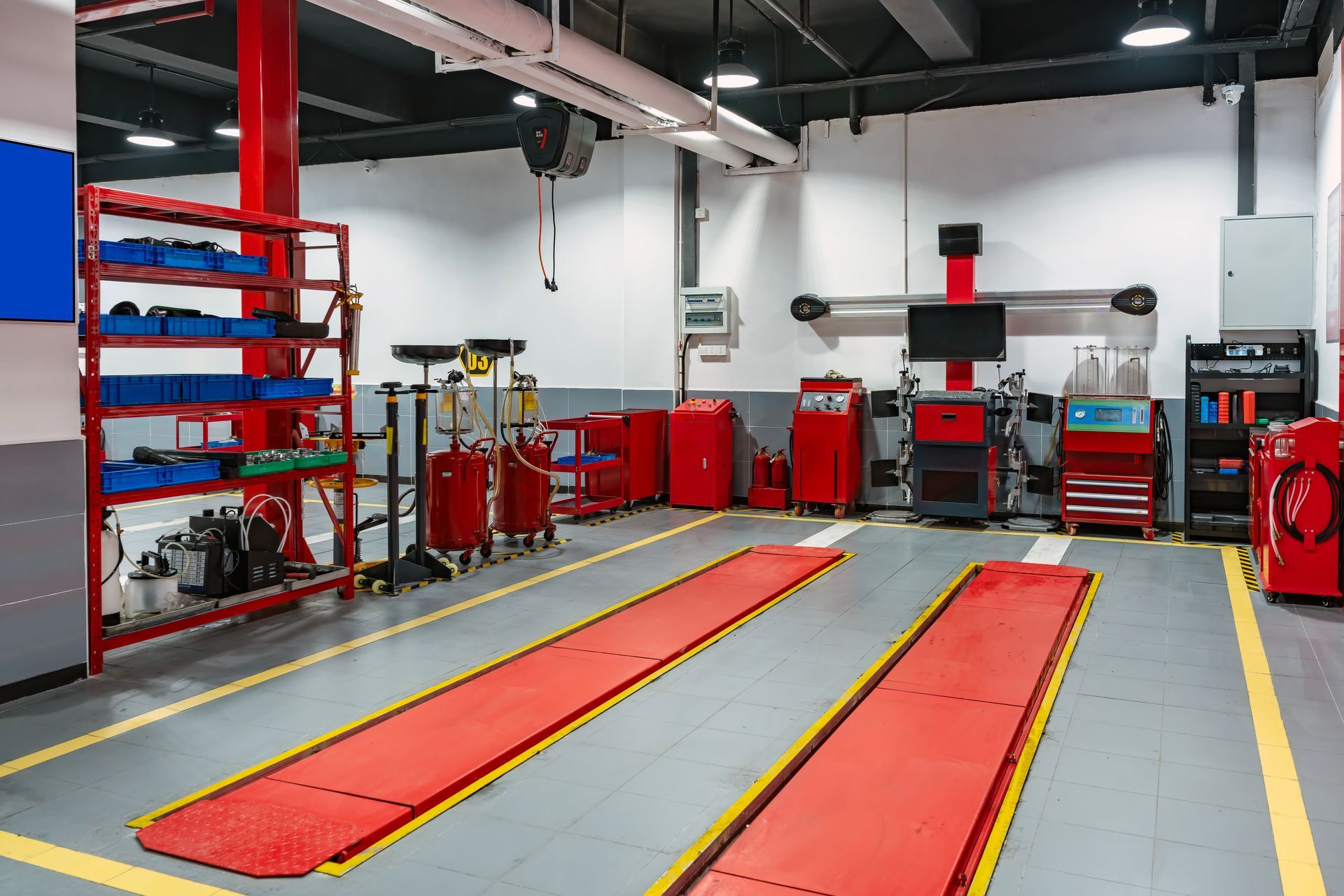
Automotive Service
Dealership service departments use robots to deliver parts and tools between the parts counter and service bays.

Healthcare
Hospitals and healthcare facilities use robots to transport supplies, equipment, and materials between departments.
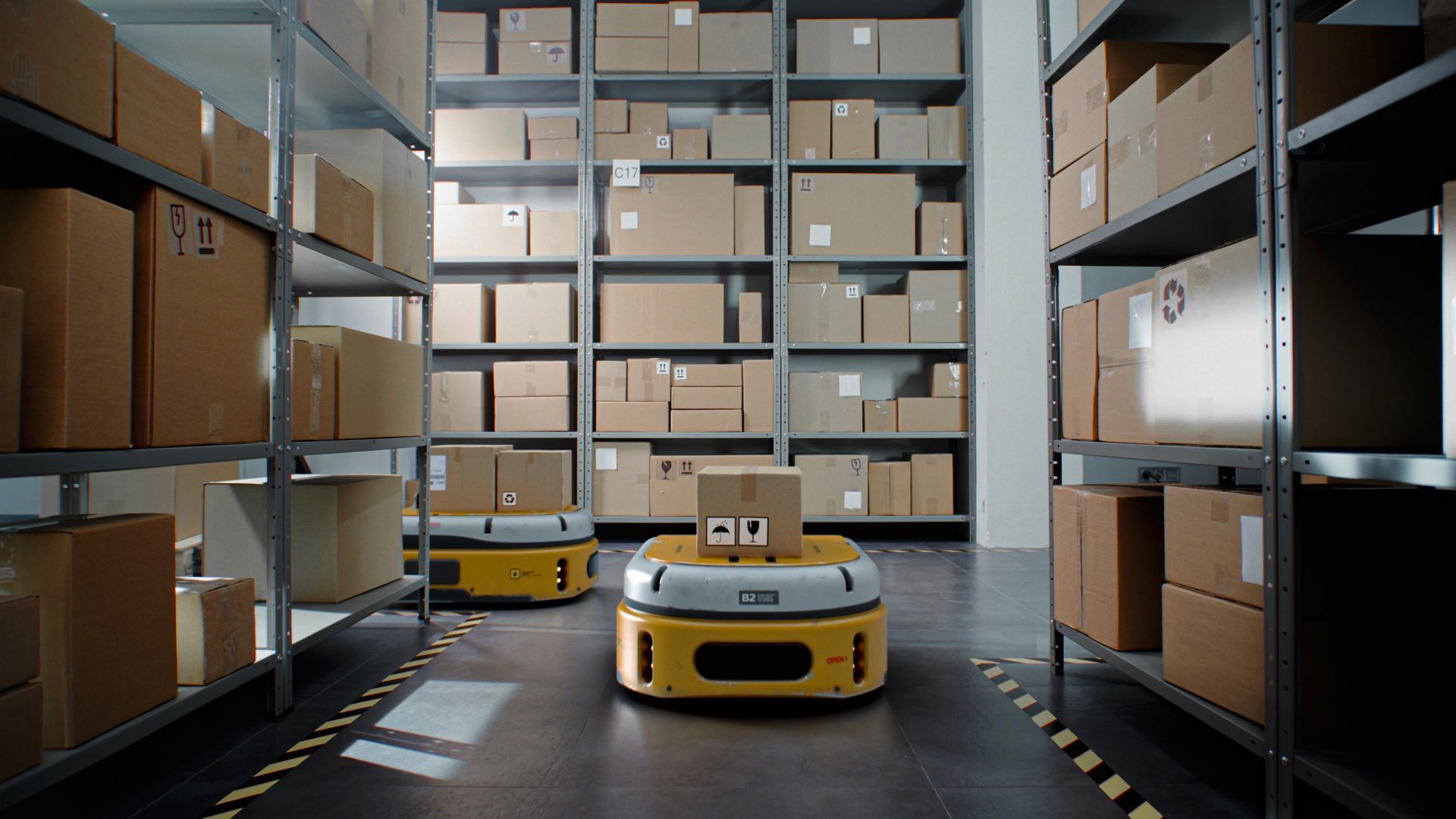
Retail & Distribution
Retail logistics operations benefit from robots that move inventory within back-of-house environments.
Featured Material Delivery Robots
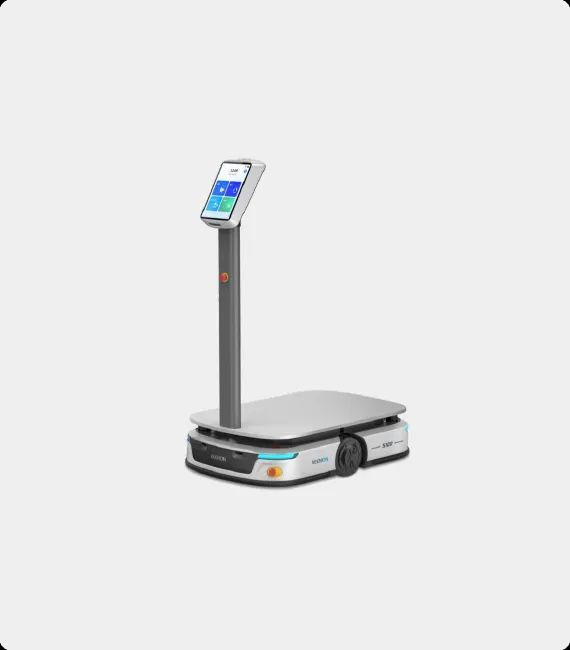
Transport Robots
Autonomous transport robots designed to move parts, components, and equipment safely across large facilities.
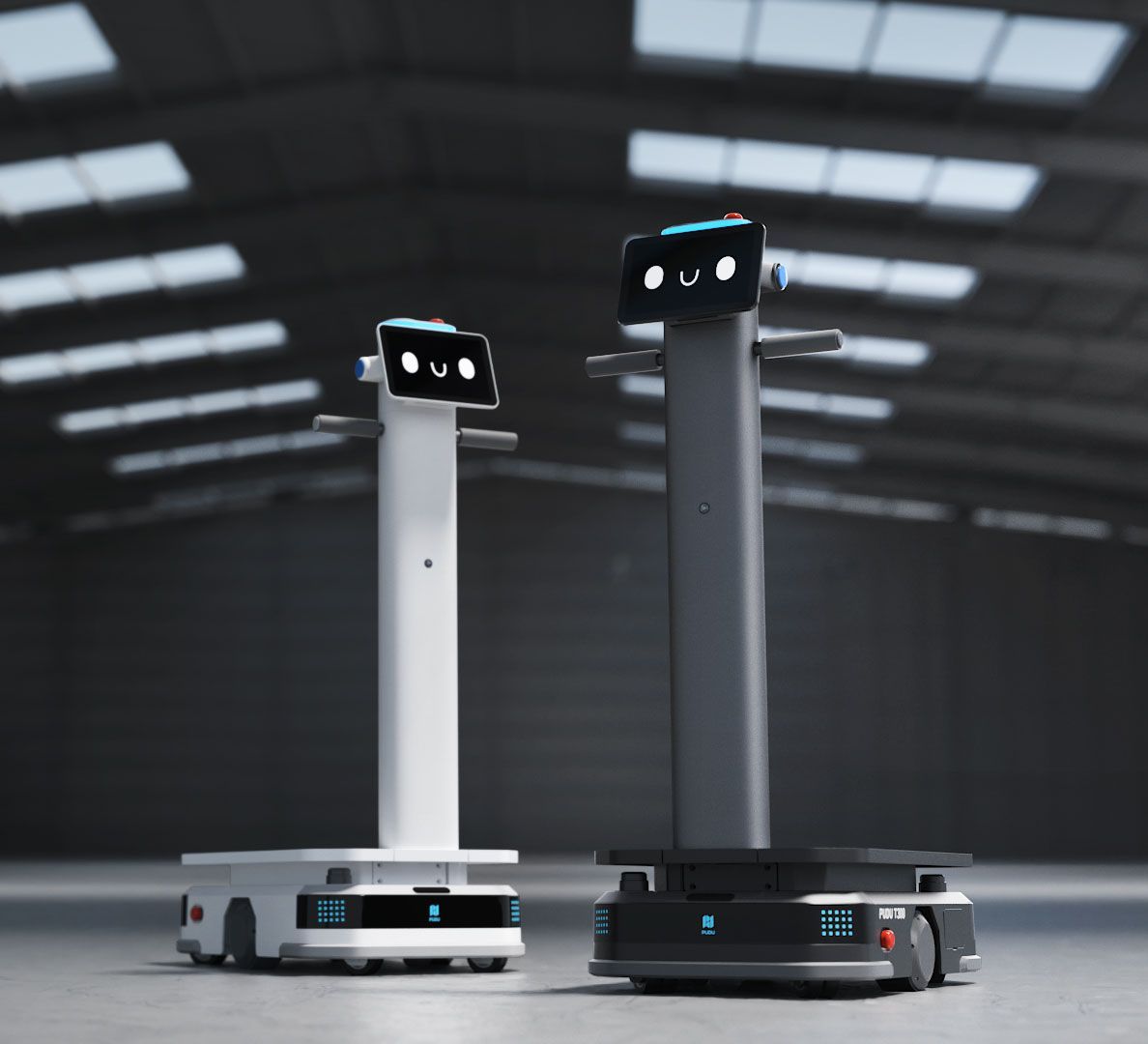
Industrial Mobile Robots
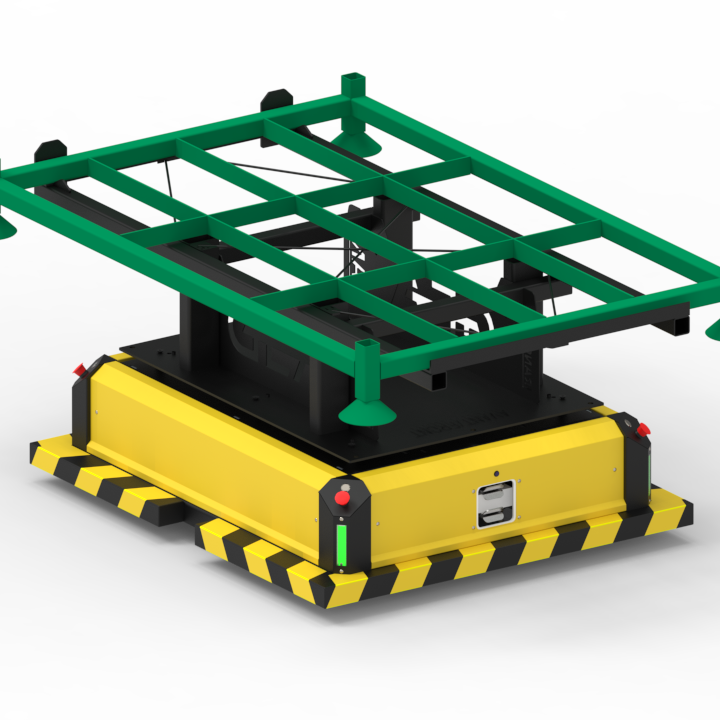
Automated guided vehicles designed for structured internal logistics environments where predictable transport routes are required.
How Deployment Works
- Consultation: Evaluate facility layout, material flows, and operational requirements.
- Facility Mapping: Robots map the facility to navigate safely and efficiently.
- Workflow Configuration: Transport routes and delivery tasks are configured based on operational workflows.
- Deployment and Training: Robots are deployed and teams are trained on daily operation.
- Ongoing Support: Reliable Robots provides continued support and optimization.
Benefits of Material Delivery Automation
Organizations implementing robotic material transport often experience several benefits:
- Improved operational efficiency
- Reduced worker fatigue
- Predictable material flow
- Improved workplace safety
- Scalable logistics automation
Autonomous material delivery robots help maintain consistent internal logistics while allowing employees to focus on production and service tasks.
Explore Material Delivery Automation for Your Facility
Reliable Robots can help evaluate how autonomous material transport robots can improve workflow efficiency in your facility.
Our team will assess your layout, workflows, and operational needs to recommend the right robotic solution.
Contact us:
info@reliablerobots.ca